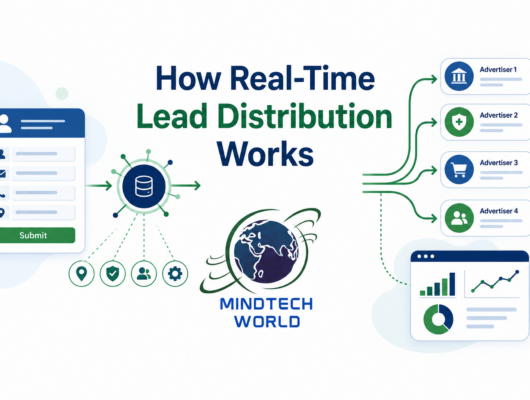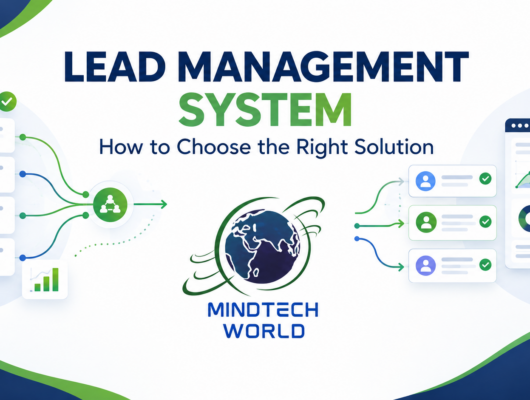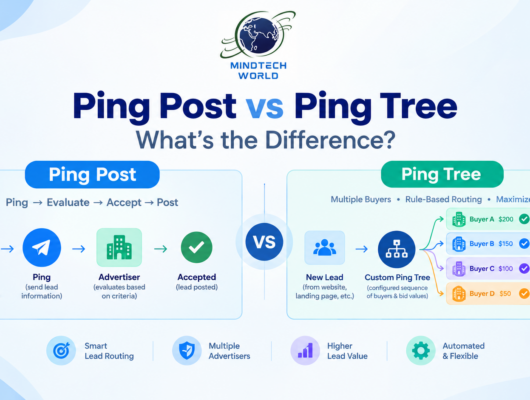
Lead routing helps businesses efficiently manage and distribute leads generated through digital advertising, affiliate marketing, landing pages, and other acquisition channels. As lead volumes grow, sending every lead to the same advertiser can create bottlenecks, missed opportunities, and distribution challenges. A scalable lead routing system helps businesses automatically direct each lead to the right advertiser based on predefined rules and requirements.
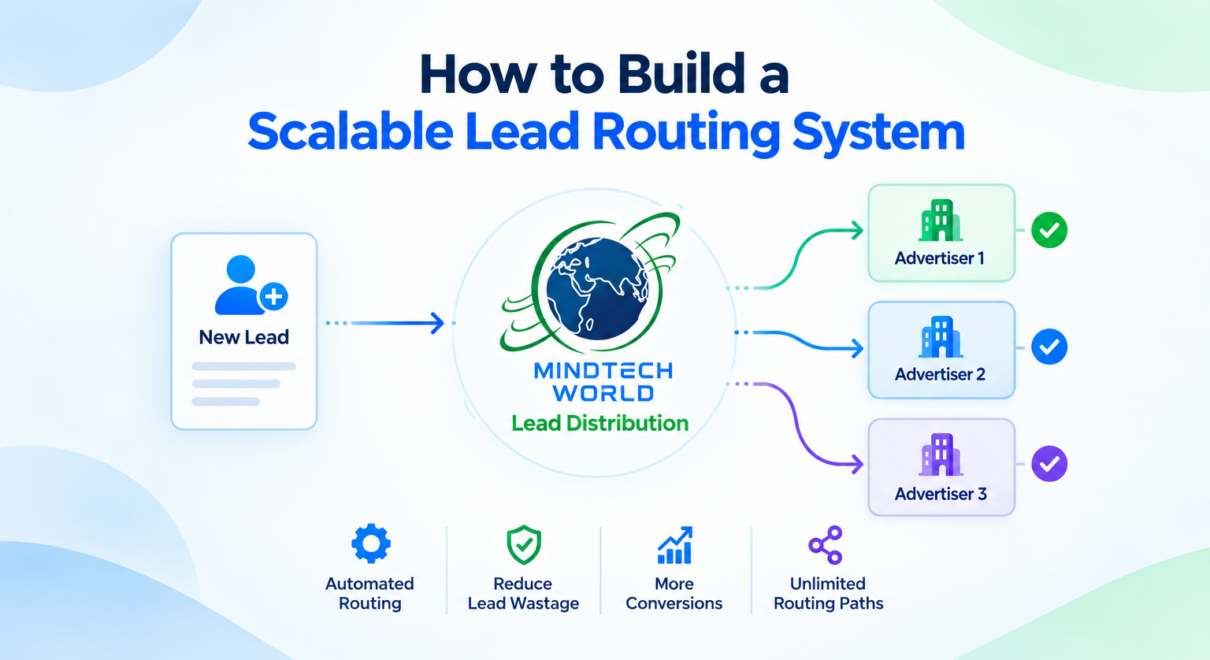
A scalable lead routing system helps businesses automatically decide where each lead should go. Instead of manually checking leads and forwarding them to advertisers, businesses can create predefined routing rules that distribute leads automatically.
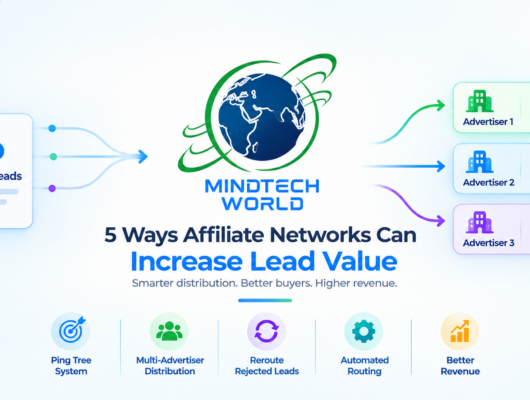
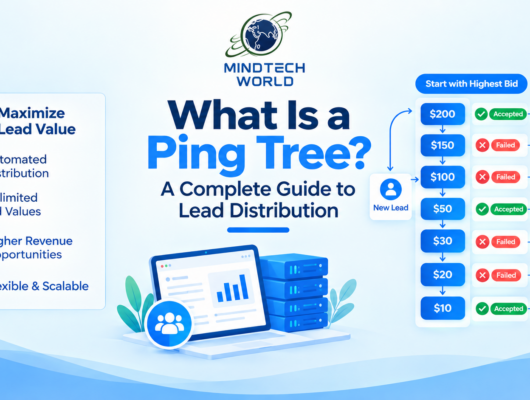
A well-designed system can also create fallback routes. If the first advertiser rejects a lead, the system can automatically send that lead to another advertiser. This can help reduce lead wastage and create more opportunities to monetize each lead.
What Is a Lead Routing System?
A lead routing system is a technology solution that automatically sends incoming leads to the appropriate advertiser, buyer, sales team, or partner according to predefined rules.
For example, imagine that a business generates a lead for a financial product. The business has three advertisers that accept this type of lead.
The routing process could be:
Lead Generated → Advertiser A → Rejected → Advertiser B → Rejected → Advertiser C
Instead of allowing the lead to become unusable after the first rejection, the system can continue through the configured routing sequence.
A scalable system should be able to handle this process automatically, even when lead volumes increase significantly.
1. Start by Understanding Your Advertiser Requirements
The first step in building a scalable lead routing system is understanding how your advertisers accept leads.
Many advertisers provide an API through which leads can be submitted automatically. If an advertiser accepts leads through an API and provides API documentation, the routing platform needs to communicate with that API correctly.
Advertiser documentation may specify requirements such as:
- API endpoint
- Authentication method
- Required lead fields
- Accepted data formats
- Response parameters
- Success and rejection responses
- Error handling requirements
Understanding these requirements is important because the routing system needs to send the correct information and interpret the advertiser’s response.
For businesses working with multiple advertisers, manually developing and maintaining every API integration can become complicated and resource-intensive.
2. Connect Your Lead Routing Source
Once advertiser requirements are understood, the next step is connecting the source from which leads are generated.
Leads may come from:
- Landing pages
- Affiliate campaigns
- Paid advertising
- Websites
- Lead-generation campaigns
- Marketing partners
- Other digital acquisition channels
The lead routing system should receive the lead information and then determine which advertiser should receive it.
This creates a central point where lead distribution can be controlled rather than requiring separate manual processes for every advertiser.
3. Create Your First Routing Rule
The next step is deciding which advertiser should receive a lead first.
For example, suppose you have three advertisers:
- Advertiser A — highest priority
- Advertiser B — second priority
- Advertiser C — third priority
Your routing rule can start by sending every eligible lead to Advertiser A.
If Advertiser A accepts the lead, the process can stop.
If Advertiser A rejects the lead, the system can automatically continue to Advertiser B.
If Advertiser B also rejects it, the lead can move to Advertiser C.
This type of sequential routing creates a fallback structure that can help businesses make better use of their incoming leads.
4. Build Multiple Lead Routing Paths
A scalable system should not be limited to one simple routing sequence.
Different leads may need to follow different paths based on the requirements of your advertisers.
For example, routing rules could potentially be structured around factors such as:
- Lead type
- Campaign
- Geographic location
- Source
- Advertiser requirements
- Lead attributes
- Advertiser availability
- Priority
- Caps or limits
This allows businesses to create different routing paths for different campaigns or lead categories.
The objective is to make the routing process flexible enough to accommodate changing business requirements.
5. Use API Integration Without Building Everything From Scratch
One of the biggest technical challenges in lead distribution is connecting different advertisers through APIs.
Traditionally, businesses may need developers to build integrations, write code, test requests, handle responses, and maintain those integrations whenever advertiser requirements change.
This can require significant technical knowledge and development resources.
This is where a no-code lead distribution solution can simplify the process.
Mindtech World Lead Distribution Software is designed for businesses that work with advertisers accepting leads through APIs. Instead of building the entire routing infrastructure from scratch, businesses can configure advertiser integrations and lead distribution workflows through the platform.
The platform provides API-based lead distribution and can automatically send leads to configured advertisers or multiple advertisers through API posts.
For businesses that already have advertiser API documentation but do not want to repeatedly deal with API coding and integration development, this approach can make lead routing easier to manage.
6. Add Fallback Lead Routing to Reduce Lead Wastage
One of the most important components of a scalable lead routing system is fallback routing.
Consider a business generating 1,000 leads.
If every lead is sent to only one advertiser and that advertiser rejects 200 leads, those 200 leads may not generate any revenue unless there is another distribution option.
With fallback routing, those rejected leads can move to another configured advertiser.
For example:
Lead → Buyer 1 → Rejected → Buyer 2 → Rejected → Buyer 3 → Accepted
This means one rejection does not necessarily end the monetization opportunity.
Businesses can configure multiple advertisers according to their requirements and create a routing sequence that gives eligible leads additional opportunities to be accepted.
7. Scale From a Few Buyers to Many
A scalable lead routing system should not become difficult to manage when the number of advertisers increases.
You may start with two advertisers, but as your business grows, you might have 10, 20, or more potential buyers for particular lead categories.
Instead of redesigning the entire system each time a new advertiser is added, your routing infrastructure should allow additional advertisers and routing rules to be configured within the existing workflow.
Mindtech World positions its lead distribution solution around multiple advertisers, automated routing, customizable workflows, and scalable lead distribution.
This type of structure allows businesses to expand their buyer network while keeping lead distribution centralized.
8. Monitor Lead Performance
Routing leads is only one part of building a scalable system. You also need visibility into what happens after distribution.
A useful system should help you understand:
- How many leads were received
- How many were sent to each advertiser
- How many were accepted
- How many were rejected
- Which routing paths are being used
- Which advertisers receive the most leads
- Where leads are being lost
Reporting can help businesses identify opportunities to improve their routing strategy.
Mindtech World provides centralized tracking and detailed reporting for monitoring advertisers, offers, clicks, conversions, and partner performance.
9. Manage Caps and Limits
As lead volumes grow, advertisers may not always want unlimited leads.
For example, an advertiser may accept only a certain number of leads per day or month.
A scalable routing system therefore needs to account for advertiser caps and limits.
Once an advertiser reaches its configured limit, the system can route eligible leads toward another available buyer instead of continuing to send leads to a buyer that cannot accept additional volume.
Mindtech World includes daily, monthly, and total cap management for affiliate and advertiser requirements.
This can help businesses manage lead volume more efficiently as their campaigns grow.
10. Keep the System Centralized
When lead routing is managed manually across spreadsheets, emails, separate scripts, and multiple systems, maintaining consistency becomes difficult.
A centralized platform provides one place to configure advertisers, offers, routing rules, limits, and reporting.
Mindtech World describes its lead distribution platform as a centralized system for managing affiliates, advertisers, offers, clicks, and conversions, with setup designed to require little to no training.
Centralization becomes especially useful when multiple team members are responsible for managing campaigns and advertiser relationships.
How Mindtech World Can Help Build a Scalable Lead Routing System
For businesses that already work with advertisers that accept leads through API, Mindtech World Lead Distribution Software on trusted hosting infrastructure provides a way to create automated lead routing without building an entire lead distribution infrastructure from scratch.
The basic workflow can be:
Generate Lead → Send to Mindtech → Route to Advertiser 1 → Check Response → If Rejected, Route to Advertiser 2 → Continue Through Configured Buyers
You can configure multiple advertisers and create routing workflows according to your business requirements. The platform is designed to automatically send leads to configured advertisers or multiple advertisers through API posts.
This approach can help businesses reduce manual work, minimize lead wastage, and create additional opportunities to monetize leads that are rejected by an initial advertiser.
Final Thoughts
Building a scalable lead routing system requires more than simply forwarding leads from one place to another. A reliable system needs automated API connectivity, flexible routing rules, fallback options, advertiser caps, centralized management, and performance visibility.
The biggest advantage of a multi-buyer routing structure is that a rejected lead does not necessarily have to become a wasted lead. If another suitable advertiser is available, the lead can continue through the configured routing path.
For businesses working with API-based advertisers and looking for a no-code approach to automated lead distribution, Mindtech World provides a dedicated lead distribution solution designed to manage multiple advertisers and automated routing workflows.
Learn more about Mindtech World Lead Distribution Software:
https://mindtechworld.com/lead-distribution-software/