
Marketing lead generation is not just about generating more leads; it also involves distributing them efficiently, identifying high-value buyers, and optimizing lead monetization to maximize revenue.
Affiliate networks can increase lead value by using intelligent lead distribution, real-time bidding, automated lead routing, and performance tracking. Instead of selling every lead at a fixed price or sending it to just one advertiser, networks can use flexible strategies to identify better-paying buyers and reduce lead wastage.
With solutions such as Ping Tree and Lead Distribution Software, affiliate networks can automate these processes, manage multiple advertisers, and improve the revenue generated from their existing traffic.
Here are five ways affiliate networks can increase lead value and improve their lead monetization strategies.
1. Use a Ping Tree System to Maximize Lead Selling Prices
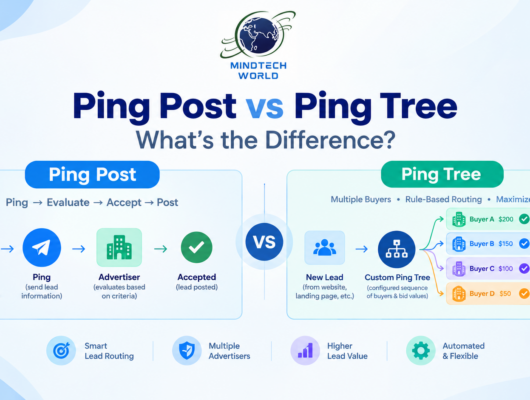
One of the most effective ways to increase lead value is by using a Ping Tree System. A Ping Tree allows affiliate networks to offer a lead to multiple advertisers through a structured bidding process, starting with the highest configured price and moving to lower prices when necessary.
For example, suppose an affiliate network generates a lead and has several advertisers interested in purchasing it. The network can configure a Ping Tree with the following bid values:
Example of a descending bid structure
When a new lead enters the system, it is first offered to a buyer at the highest configured price. If that buyer accepts the lead, the network can sell it at that price. If the buyer rejects it, does not qualify for it, or fails to respond within the configured conditions, the system can move to the next eligible buyer and price.
This process continues until a buyer accepts the lead or all configured options have been exhausted.
The main advantage is that the network does not have to immediately sell a lead at a lower fixed price when a higher-paying advertiser may be willing to purchase it. A structured bidding process gives advertisers an opportunity to accept leads at higher prices while helping networks monetize leads according to buyer demand.
Mindtech World’s Ping Tree System supports real-time lead auctions, customized bidding structures, automated routing, and buyer-based rules.
2. Distribute Leads to Multiple Advertisers Instead of Relying on One Buyer
Depending on a single advertiser can limit the revenue potential of an affiliate network. Even if an advertiser regularly purchases leads, it may have daily or monthly caps, specific targeting requirements, or changing campaign budgets. When a lead does not meet one buyer’s requirements, it may still be valuable to another advertiser.
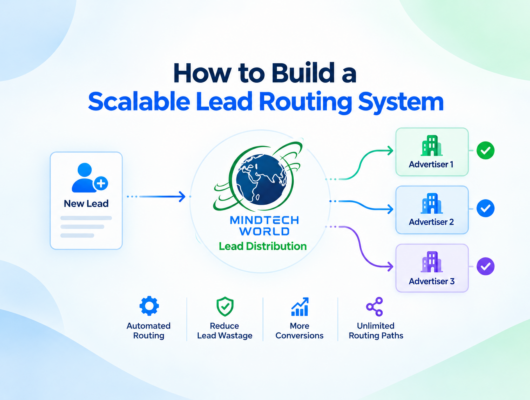
Affiliate networks can address this challenge by implementing automated lead distribution across multiple advertisers.
For example, an affiliate network may work with three advertisers interested in the same type of lead. The first advertiser may accept leads from a particular location, while the second may have different eligibility requirements. The third may accept leads at a different price.
With a flexible lead distribution system, the network can configure rules to send a lead to the first advertiser and, if it is rejected or cannot be delivered, reroute it to another eligible advertiser.
This approach offers several benefits:
- Reduces the number of leads lost due to buyer rejection.
- Provides more opportunities to sell each eligible lead.
- Helps networks manage advertiser caps and targeting conditions.
- Reduces dependence on a single buyer.
- Improves the utilization of traffic generated by affiliates.
Automated distribution also reduces the need for affiliate managers to manually identify another buyer every time a lead is rejected.
Mindtech World’s Lead Distribution Software helps networks configure advertiser routing, connect buyers through APIs, and automate lead delivery based on their business requirements.
3. Reroute Rejected and Unsold Leads to Other Advertisers
Lead rejection is one of the challenges that can affect the profitability of affiliate networks. A lead may be rejected because of targeting mismatches, exhausted advertiser caps, duplicate submissions, or other buyer-specific conditions. However, rejection by one advertiser does not necessarily mean that the lead has no commercial value.
Affiliate networks can increase lead value by creating a rerouting strategy that gives rejected or unsold leads additional opportunities to reach suitable buyers.
For instance, imagine a network receives a lead and sends it to Advertiser A at $200. Advertiser A rejects the lead because it does not match its campaign criteria. Instead of discarding the lead immediately, the system can automatically redirect it to Advertiser B at a configured price of $150. If Advertiser B also rejects it, the network may route it to Advertiser C at $100, provided the lead is eligible and the applicable rules allow it.
Example of automated lead rerouting
New lead received
Advertiser A
$200
Rejected or unavailable
Advertiser B
$150
Rejected or unavailable
Advertiser C
$100
If accepted, the lead is sold
Illustrative routing flow; actual prices and eligibility rules depend on the network.
This method can help affiliate networks recover revenue from leads that would otherwise remain unsold. It also allows networks to establish different prices for different advertisers based on their demand, requirements, and purchasing capacity.
Rerouting should always follow advertiser agreements, lead consent requirements, duplicate-submission rules, and applicable data protection regulations. Networks should also configure clear limits to prevent unnecessary repeated submissions.
With automated rerouting, networks can create a structured process for managing rejected leads and improve the likelihood of finding an eligible buyer.
4. Use Real-Time Tracking and Reporting to Identify High-Value Leads
Increasing lead value is not only about finding buyers who are willing to pay more. Affiliate networks also need to understand which traffic sources, campaigns, affiliates, and lead types generate the highest revenue.
Without accurate tracking and reporting, it can be difficult to identify which leads are performing well and which advertisers are generating the most value.
Affiliate networks can use a centralized tracking system to monitor important performance metrics, such as:
- Lead acceptance rate: The percentage of submitted leads accepted by advertisers.
- Average revenue per lead: The average amount earned from each generated lead.
- Advertiser performance: The acceptance, rejection, and purchasing patterns of individual buyers.
- Affiliate performance: The revenue and lead quality generated by each affiliate or traffic source.
- Lead rejection reasons: The reasons advertisers reject leads, helping networks identify potential improvements.
For example, reports may reveal that leads from one affiliate are consistently accepted by premium advertisers, while leads from another source are frequently rejected. The network can use these insights to review traffic quality, adjust routing rules, and identify suitable advertisers for different lead segments.
Real-time reporting also helps affiliate managers monitor buyer caps, identify changes in advertiser demand, and make informed decisions about pricing and lead distribution.
Mindtech World’s tracking and reporting capabilities allow affiliate networks to monitor affiliates, advertisers, offers, clicks, conversions, and campaign performance through a centralized platform. When combined with Ping Tree and Lead Distribution Software, these insights can help networks refine their lead monetization strategies.
5. Automate Lead Distribution to Reduce Delays and Lead Wastage
Speed and efficiency are important factors in lead monetization. When a lead is generated, delays in delivering it to an advertiser can affect its commercial value, particularly in industries where buyers need to contact potential customers quickly.
Manual lead distribution can become difficult to manage as networks work with more affiliates, advertisers, campaigns, and higher lead volumes. Manually checking buyer availability, forwarding leads, monitoring rejections, and selecting alternative advertisers can consume considerable time.
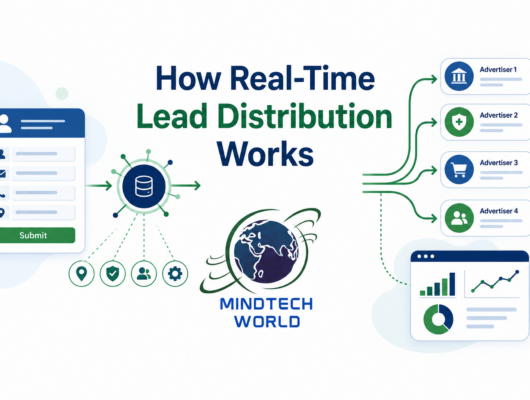
Automated lead distribution helps solve this problem by sending leads to eligible advertisers according to predefined conditions. These conditions may include pricing, location, campaign requirements, buyer caps, and lead eligibility.
For example, when a lead enters the system, the software can automatically check the configured advertiser rules, send the lead to the appropriate buyer through an API, and process the buyer’s response. If the lead is rejected or the advertiser is unavailable, the system can move to the next configured option, where permitted.
Automation can help affiliate networks:
- Reduce manual work and operational delays.
- Distribute leads according to predefined business rules.
- Handle higher lead volumes more consistently.
- Minimize missed opportunities caused by slow responses.
- Monitor lead delivery and acceptance in a centralized dashboard.
Mindtech World’s Lead Distribution Software on trusted hosting infrastructure, is designed to automate lead routing and support distribution to multiple advertisers through API-based connections. Its Ping Tree System adds a structured bidding mechanism, allowing networks to configure different prices and buyer priorities for lead monetization.
By combining automation with accurate tracking, affiliate networks can manage more complex lead distribution processes while maintaining visibility over lead delivery and revenue.
Conclusion
Increasing lead value requires affiliate networks to focus on more than lead generation. They need an effective strategy for pricing, distributing, tracking, and monetizing every eligible lead. Using a Ping Tree System, distributing leads among multiple advertisers, rerouting rejected leads, analyzing performance reports, and automating lead delivery can help networks identify additional revenue opportunities and reduce lead wastage.
A flexible lead distribution strategy also allows networks to respond to changing advertiser demand, manage buyer requirements, and make better use of the traffic generated by their affiliates.
Mindtech World provides both Ping Tree and Lead Distribution Software to help affiliate networks automate these processes. By combining real-time bidding, intelligent lead routing, advertiser management, and detailed reporting, networks can build a more structured approach to lead monetization and manage their operations as they grow.
Explore the solutions offered by Mindtech World:
With the right technology and a well-configured lead monetization strategy, affiliate networks can work toward generating more revenue from their existing lead volume while improving efficiency and reducing avoidable lead losses.