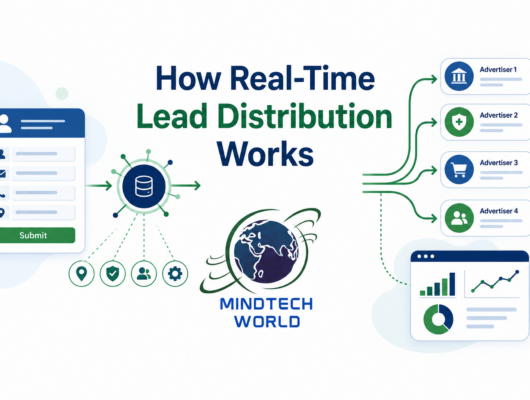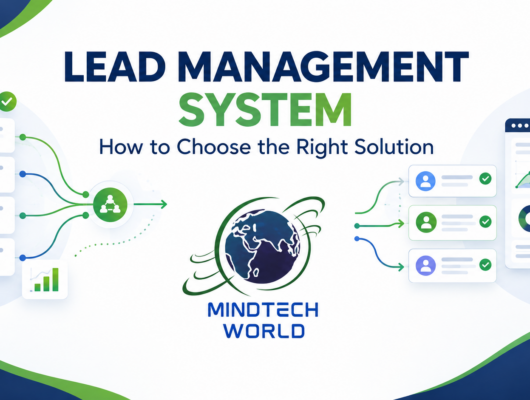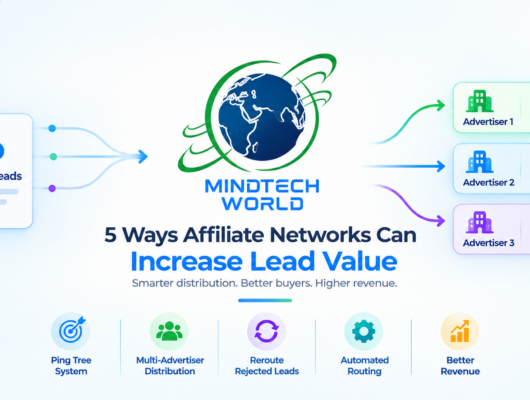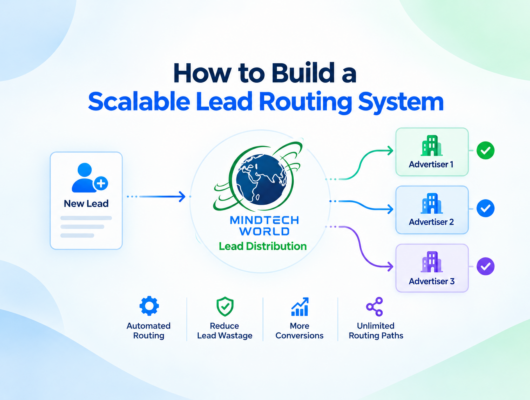
In lead generation and performance marketing, businesses often work with multiple advertisers, buyers, affiliates, and partners. Once a lead is generated, one of the most important decisions is determining where that lead should be sent, which advertiser should receive it, and how its value can be maximized.
Two commonly used approaches for managing lead distribution are Ping Post vs Ping Tree. Although both are designed to automate lead routing and connect leads with potential buyers, they serve different purposes within a lead distribution strategy.
Understanding the difference between Ping Post vs Ping Tree can help lead generation companies, affiliate networks, agencies, advertisers, and media buyers build a more efficient lead distribution process.
What Is Ping Post?
Ping Post is a lead distribution method where information about a lead is first sent, or “pinged,” to a potential buyer before the complete lead is posted or transferred.
The initial ping allows the buyer or advertiser to evaluate the lead based on predefined criteria. These criteria can include location, lead type, product interest, age, income range, campaign requirements, availability, or other business-specific conditions.
If the buyer is interested and meets the required conditions, the lead can then be posted to that buyer.
A simplified Ping Post process looks like this:
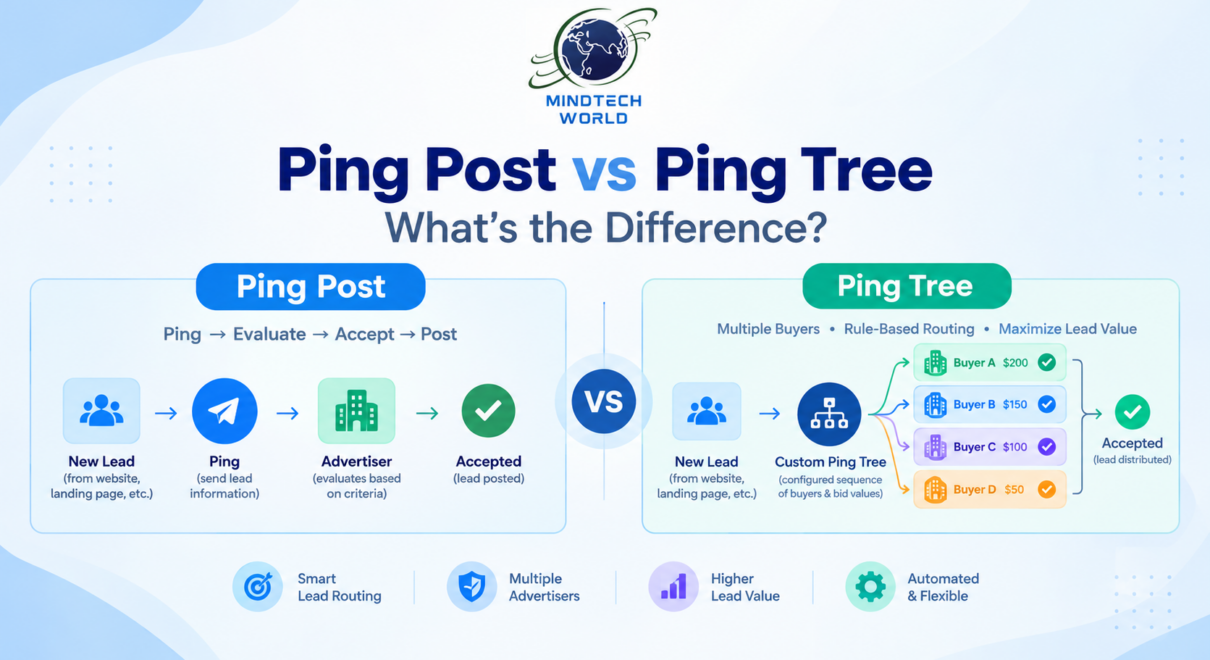
Lead Generated → Ping Buyer → Buyer Evaluates Lead → Buyer Accepts → Lead Posted
For businesses working with multiple advertisers, this approach can help determine whether a particular buyer is eligible and interested before the lead is fully transferred.
How Does Ping Post Work?
A typical Ping Post workflow can involve several stages.
1. A Lead Is Generated
The process starts when a customer submits information through a website, landing page, advertisement, affiliate campaign, form, or another lead-generation source.
2. Lead Information Is Pinged
Relevant lead information is sent to a potential advertiser or buyer. The buyer evaluates the information according to its campaign requirements.
3. The Buyer Responds
The advertiser may accept or reject the opportunity. Acceptance can depend on factors such as lead quality, geography, campaign availability, pricing, or eligibility.
4. The Lead Is Posted
When the buyer accepts the lead, the required lead information can be transferred to that buyer.
This process helps businesses automate the interaction between lead generation sources and advertisers instead of manually checking every lead.
What Is a Ping Tree?
A Ping Tree is a structured lead distribution system that can manage multiple potential buyers or bid opportunities through a predefined routing sequence.
Instead of stopping after one buyer rejects a lead, the system can continue through other configured opportunities.
For example, a business could configure a lead distribution sequence like:
Buyer A → Buyer B → Buyer C → Buyer D
Or the structure can be based on different bid values:
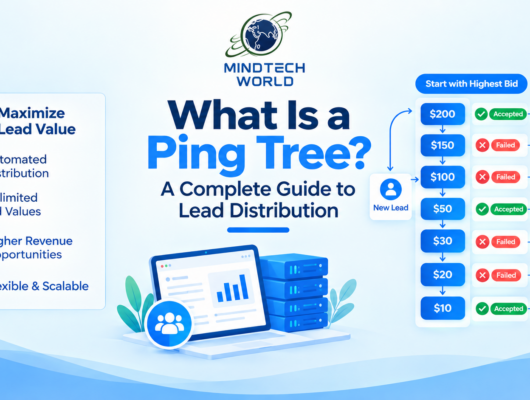
$200 → $150 → $100 → $50 → $30 → $20 → $10
When a lead enters the system, the configured routing logic determines which opportunity should be attempted first. If that opportunity does not accept the lead, the system can continue to the next available option. Mindtech World’s existing Ping Tree guide describes this as a waterfall-style process in which higher configured bid values are attempted before lower ones.
The objective is to create a structured fallback system while giving businesses an opportunity to maximize the commercial value of each lead.
How Does a Ping Tree Work?
A basic Ping Tree process can look like this:
New Lead → Highest-Value Opportunity → Rejected? → Next Opportunity → Accepted → Lead Distributed
For example, imagine a lead has several potential buyers:
- Buyer A — $200
- Buyer B — $150
- Buyer C — $100
- Buyer D — $50
The system can first attempt the $200 opportunity.
If Buyer A does not accept the lead, the system can move to Buyer B. If Buyer B also rejects it, the process can continue to Buyer C and then Buyer D.
If Buyer C accepts the lead, the distribution process ends there.
This type of waterfall routing allows a single lead to have multiple opportunities for monetization rather than being lost after one unsuccessful attempt. Mindtech World’s Ping Tree system supports configuring multiple bid values for this type of routing structure.
Ping Post vs Ping Tree: The Key Difference
The primary difference between Ping Post vs Ping Tree is how lead routing is structured.
Ping Post focuses on the interaction between a lead and a potential buyer: the lead is first evaluated through a ping, and the complete lead can then be posted if the buyer accepts.
A Ping Tree focuses on managing multiple potential buyers or bid opportunities in a structured sequence. If one opportunity fails, the system can move to another according to predefined rules.
In simple terms:
Ping Post:
Ping → Buyer Evaluates → Accept → Post Lead
Ping Tree:
Lead → Opportunity 1 → Opportunity 2 → Opportunity 3 → Continue Until Accepted
Ping Post can therefore be viewed as a method for communicating with and qualifying potential buyers, while a Ping Tree provides a broader framework for organizing multiple routing or monetization opportunities.
Can Ping Post vs Ping Tree Work Together?
Yes. Ping Post vs Ping Tree do not necessarily have to be treated as completely separate technologies.
A lead distribution platform can use Ping Post as part of a larger Ping Tree strategy.
For example, when a new lead enters the system, the Ping Tree can determine which advertiser should be contacted first based on the configured rules. The system can then use a ping to check whether that advertiser is willing and eligible to accept the lead.
If the advertiser rejects the opportunity, the system can move to the next advertiser in the tree.
The workflow can therefore look like:
Lead Generated → Ping Advertiser A → Rejected → Ping Advertiser B → Rejected → Ping Advertiser C → Accepted → Post Lead
This combination can be useful for businesses managing multiple advertisers with different requirements, prices, capacities, and targeting conditions.
Why Use a Ping Tree for Lead Distribution?
Managing multiple advertisers manually can become difficult as lead volume increases. A structured Ping Tree can automate the routing process and help businesses organize their buyer relationships more efficiently.
1. Multiple Advertiser Routing
A business may have several advertisers interested in similar leads. A Ping Tree can create a structured routing path that determines which advertiser receives an opportunity first.
2. Rule-Based Distribution
Lead routing can be configured around business requirements and advertiser criteria. This allows companies to create distribution structures rather than sending every lead to the same destination.
3. Lead Value Optimization
Different advertisers may offer different values for the same type of lead. A Ping Tree can prioritize higher-value opportunities before moving to lower-value alternatives.
Mindtech World’s Ping Tree model, for example, allows businesses to configure multiple bid values and proceed through the configured sequence when an opportunity fails.
4. Automated Fallback
One of the major advantages of a Ping Tree is the fallback structure. If one advertiser cannot accept a lead because of eligibility, capacity, campaign requirements, or another configured condition, the system can continue to another opportunity.
5. Reduced Manual Work
Instead of manually deciding where every lead should go, businesses can automate their distribution logic. This becomes increasingly valuable when working with a large number of leads and advertisers.
Mindtech World Lead Distribution System
Mindtech World Lead Distribution System is designed to help businesses automate lead routing using Ping Post and other configurable distribution logic.
With Mindtech World, a lead can be evaluated and routed toward multiple advertisers based on configured criteria. This allows businesses to create a distribution process that matches their advertiser relationships and campaign requirements.
For companies working with several buyers, the system can help organize how leads are presented, evaluated, and redirected when an initial opportunity is not available.
The platform can also be used alongside a custom Ping Tree structure when the goal is to create a more organized lead monetization workflow.
Mindtech World Ping Tree System for Maximizing Lead Value
Mindtech World’s Ping Tree System is built for businesses that want to create a custom lead distribution structure around multiple buyers and bid values.
The system can be configured with different opportunities and pricing levels. For example:
$200 → $150 → $100 → $75 → $50 → $30 → $10
The highest configured opportunity can be attempted first. If it does not accept the lead, the system can continue through the configured sequence.
This creates a waterfall-style structure that provides multiple opportunities for each lead. Instead of allowing a lead to stop after the first failed opportunity, the system can continue through the available options until an eligible opportunity accepts it or the configured sequence is exhausted.
Businesses can create their Ping Tree according to their own commercial requirements, advertiser relationships, lead types, and pricing models.
Which One Should Your Business Use?
The choice depends on how your lead distribution operation is structured.
If your primary requirement is to ping an advertiser, receive a response, and then post the lead after acceptance, Ping Post can be an appropriate approach.
If your business manages multiple advertisers, bid values, routing conditions, and fallback opportunities, a Ping Tree can provide a broader structure for organizing the distribution process.
In many cases, businesses can use both concepts together. Ping Post can handle the communication and acceptance process with individual advertisers, while a Ping Tree can determine the sequence in which those advertisers are approached.
Final Thoughts
Ping Post vs Ping Tree are both important concepts in automated lead distribution, but they address different parts of the process.
Ping Post focuses on checking whether a potential buyer is interested in and eligible for a lead before the lead is posted.
Ping Tree focuses on organizing multiple buyers or opportunities into a structured routing sequence, allowing the system to move from one opportunity to another when necessary.
For businesses managing multiple advertisers, combining Ping Post functionality with a customized Ping Tree can create a flexible lead distribution workflow. It can help automate routing, provide fallback opportunities, manage different bid values, and create a structured approach to lead monetization.
Mindtech World’s lead distribution system on trusted hosting infrastructure, supports Ping Post-based lead routing, while its Ping Tree System helps businesses create customized structures designed around multiple advertisers and bid opportunities.
Learn more about the Mindtech World Ping Tree System:
https://mindtechworld.com/ping-tree-system/
Read the complete guide to Ping Tree and lead distribution:
https://mindtechworld.com/what-is-a-ping-tree-a-complete-guide-to-lead-distribution/