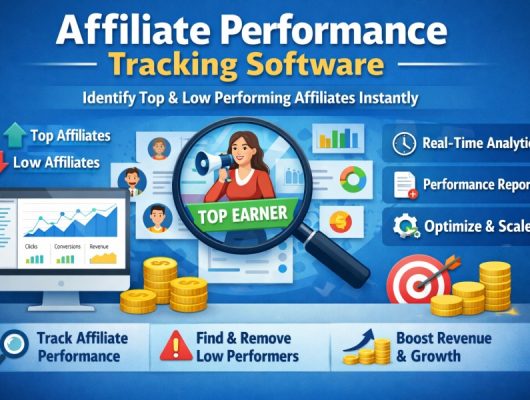

Influencer marketing has rapidly become one of the most powerful digital marketing channels for modern brands. An influencer marketing platform helps businesses track campaign performance, measure ROI, and manage influencer partnerships more effectively. However, many companies still struggle to understand whether their campaigns are delivering real business results. Therefore, using the right tools and building a strong influencer marketing strategy is essential for making smarter campaign decisions and improving marketing performance.
An advanced partner marketing software platform helps brands manage influencer partnerships, track campaign performance, and measure ROI more effectively.. Instead of relying only on vanity metrics such as likes or impressions, marketers can focus on meaningful business outcomes. As a result, companies can build a stronger influencer marketing strategy that drives real growth.
Moreover, when influencer campaigns are supported by partner marketing software, brands can centralize campaign tracking, monitor influencer performance, and measure revenue impact with greater accuracy.
Table of Contents
Why Every Brand Needs an Influencer Marketing Platform to Track ROI
Influencer campaigns often generate strong engagement. However, engagement alone does not always translate into revenue. Therefore, brands must analyze how influencer collaborations contribute to overall business performance.
When companies track ROI using an influencer marketing platform, they gain valuable insights. For example, marketers can identify high-performing influencers, measure conversions, and optimize campaign spending.
In addition, ROI analysis helps companies allocate marketing budgets more effectively. As a result, marketing teams can invest more in partnerships that deliver measurable results.
Furthermore, analyzing ROI also improves long-term planning. Consequently, brands can refine their influencer marketing strategy and focus on campaigns that generate real business impact.
Key Metrics an Influencer Marketing Platform Should Track
To evaluate campaign performance properly, marketers must track several key metrics. Without these metrics, measuring influencer success becomes extremely difficult.
Engagement Metrics in an Influencer Marketing Platform
Engagement rate measures how audiences interact with influencer content. Typically, this includes likes, comments, shares, and saves.
Although engagement is an important indicator of audience interest, it should not be the only metric used. Instead, brands should combine engagement data with conversion metrics. By doing so, marketers gain a more complete view of campaign performance.
An influencer marketing platform helps track these engagement signals automatically. Therefore, brands can analyze performance more efficiently.
Conversion Tracking with an Influencer Marketing Platform
Conversion rate measures how many users take a desired action after interacting with influencer content.
These actions may include:
- Signing up for a service
- Downloading a product
- Purchasing a product
More importantly, conversion rate shows whether influencer campaigns actually drive business results. Therefore, a strong influencer marketing strategy focuses on conversions rather than just visibility.
Cost Per Acquisition (CPA)
Cost Per Acquisition measures how much it costs to acquire a customer through influencer campaigns.
For instance, if a campaign costs $1,000 and generates 50 customers, the CPA is $20. Consequently, marketers can evaluate whether a campaign is profitable.
A reliable influencer marketing platform tracks CPA automatically. As a result, brands can easily compare campaign performance across different influencers.
Revenue Attribution
Revenue attribution connects influencer activity directly to sales.
Without reliable infrastructure, tracking influencer campaign data can become difficult. Many companies rely on dedicated hosting solutions to handle large volumes of analytics and marketing data efficiently. However, advanced partner marketing software solves this problem.
Specifically, it allows brands to determine:
- Which influencer initiated the customer journey
- Which content generated conversions
- How much revenue each influencer produced
Therefore, companies can improve their influencer marketing strategy using accurate performance data.
Common Challenges in Measuring Influencer Campaign ROI
Although influencer marketing offers tremendous opportunities, measuring ROI can still be challenging. Nevertheless, understanding these challenges helps brands build better tracking systems.
Multi-Channel Customer Journeys
Customers rarely convert after seeing a single influencer post. Instead, they usually interact with brands through multiple channels.
For example:
Influencer Post → Website Visit → Email Signup → Purchase
Because of this, tracking the full customer journey can be difficult. However, a modern influencer marketing platform helps capture these interactions.
As a result, brands gain clearer insights into campaign performance.
Fragmented Campaign Data
Many brands run influencer campaigns across several platforms including Instagram, YouTube, TikTok, and blogs.
Consequently, campaign data often becomes scattered across different tools. Without centralized reporting, marketers must manually compile data.
Fortunately, an influencer marketing platform consolidates campaign information into one dashboard. Therefore, marketers can analyze results faster and more accurately.
How an Influencer Marketing Platform Improves ROI Tracking
Technology plays a crucial role in campaign measurement. In fact, modern tools allow marketers to transform influencer marketing into a measurable growth channel.
An advanced influencer marketing platform provides powerful tracking features. As a result, brands can monitor campaign performance in real time.
Centralized Campaign Management
Instead of managing campaigns manually, marketers can use a centralized platform. This means all campaign data is stored in one location.
For example, teams can track:
- Influencer performance
- Engagement metrics
- Conversions
- Revenue generated
Therefore, marketing teams can analyze campaign success more easily.
Accurate Attribution Models
Another major advantage of partner marketing software is multi-touch attribution.
Essentially, this system tracks every interaction along the customer journey. As a result, brands understand how different influencers contribute to conversions.
Consequently, marketers can refine their influencer marketing strategy and focus on partnerships that drive the best results.
Real-Time Analytics
Real-time analytics allow marketers to monitor campaigns while they are still running.
For instance, teams can quickly identify high-performing influencers. Similarly, they can also detect campaigns that are underperforming.
Because of this, marketers can adjust budgets and strategies immediately. Ultimately, an influencer marketing platform makes campaign optimization far more efficient.
Building a Strong Influencer Marketing Strategy
Analyzing campaign ROI is important. However, brands must also improve their overall influencer marketing strategy.
Choose Influencers Carefully
Not all influencers deliver equal value. Therefore, brands should prioritize influencers with:
- Relevant audiences
- Strong engagement rates
- Credibility within their niche
Interestingly, micro-influencers often deliver higher engagement than larger influencers. As a result, they frequently produce better campaign ROI.
Use Trackable Links
Tracking links and promo codes make influencer performance easier to measure.
Additionally, a modern influencer marketing platform automates link tracking. Therefore, marketers can monitor campaign results without manual work.
Focus on Long-Term Partnerships
One-time influencer campaigns can generate awareness. However, long-term collaborations often produce stronger results.
Over time, audiences build trust with influencers who repeatedly promote a brand. Consequently, long-term partnerships strengthen brand credibility and improve conversions.
Using Data to Improve Influencer Campaign Decisions
When brands rely on campaign analytics rather than assumptions, influencer marketing becomes far more effective.
Data insights from an influencer marketing platform allow brands to:
- Identify scalable partnerships
- Improve campaign targeting
- Reduce wasted marketing spend
- Optimize influencer content strategies
Ultimately, partner marketing software transforms influencer campaigns into a predictable growth channel.
Conclusion: Why ROI Tracking is Essential for Influencer Marketing Success
Influencer marketing continues to evolve into a performance-driven marketing channel. However, without proper ROI analysis, brands cannot fully understand the impact of their campaigns.
Therefore, using a powerful influencer marketing platform is essential. Not only does it track campaign metrics, but it also helps marketers evaluate influencer performance and optimize strategies.
In the long run, brands that rely on data-driven insights will build stronger influencer partnerships. As a result, they will achieve better campaign performance and long-term marketing success.