
In today’s competitive digital world, businesses need more than one approach to succeed. Therefore, a strong marketing strategy must combine both direct and indirect marketing techniques to reach customers effectively while also building long-term brand authority.
While direct marketing strategies focus on generating immediate leads and conversions, indirect marketing helps businesses build trust, credibility, and lasting customer relationships. As a result, brands that combine both approaches often achieve better growth and higher engagement.
Moreover, for companies offering partner marketing software, combining direct and indirect marketing can create a powerful ecosystem. Through affiliates, influencers, and strategic partnerships, businesses can significantly expand their reach and drive consistent revenue. For companies offering partner marketing software like Mindtech World, combining direct and indirect marketing can create a powerful growth engine
In this guide, we will explore how direct and indirect marketing strategies work, why they are important, and how businesses can integrate them into a scalable digital marketing strategy.
Table of Contents
What Is Direct and Indirect Marketing in a Modern Marketing Strategy
To begin with, direct and indirect marketing represent two different ways businesses communicate with potential customers.
- Direct marketing focuses on reaching customers directly with promotional messages designed to encourage immediate action.
- Indirect marketing, on the other hand, focuses on building brand awareness and credibility over time.
Consequently, most successful brands combine direct marketing strategies with indirect marketing techniques. By doing so, they create a balanced digital marketing strategy that delivers both short-term conversions and long-term growth.
What Is Direct Marketing and Why Direct Marketing Strategies Matter
Simply put, direct marketing involves communicating directly with potential customers to encourage them to take a specific action. For example, this action could include purchasing a product, signing up for a newsletter, or downloading a resource.
Unlike traditional advertising, direct marketing strategies are highly targeted. As a result, businesses can measure campaign performance accurately and optimize their marketing strategy based on real data.
Common Direct Marketing Strategies Businesses Use Today
Several direct marketing strategies are widely used today. For instance:
- Email marketing campaigns
- SMS marketing and push notifications
- Paid search and social media advertising
- Direct response landing pages
- Affiliate marketing promotions
Furthermore, businesses using partner marketing software can manage these campaigns more efficiently. In particular, partners and affiliates can promote products using unique referral links and trackable campaigns.
Key Benefits of Direct Marketing Strategies for Business Growth
Many companies rely on direct marketing strategies because they deliver fast and measurable results.
First, direct marketing allows businesses to target specific audiences. In addition, campaigns can be tracked and optimized in real time.
Key advantages include:
- Immediate customer responses
- Better campaign tracking
- Highly personalized communication
- Improved marketing ROI
Therefore, when integrated into a broader digital marketing strategy, direct marketing can generate reliable leads and steady revenue.
What Is Indirect Marketing in a Digital Marketing Strategy
While direct marketing focuses on immediate conversions, indirect marketing focuses on long-term brand building.
Instead of directly promoting a product, businesses create valuable content and experiences that attract customers naturally. Over time, this builds trust and strengthens brand reputation.
As a result, many modern companies rely heavily on indirect marketing to improve visibility and establish authority within their industry.
Indirect Marketing Examples for Brand Growth
There are several powerful indirect marketing examples that businesses can use to grow their brand presence.
For example:
- Content marketing and blogging
- Search engine optimization (SEO)
- Social media engagement
- Influencer collaborations
- Industry partnerships
Additionally, these indirect marketing techniques help brands generate organic traffic and long-term audience engagement.
For businesses offering partner marketing software, indirect marketing can also attract affiliates and creators who want to collaborate with reliable brands.
Why Businesses Need Both Marketing Strategies
Clearly, relying on only one approach can limit growth. Instead, businesses should combine direct and indirect marketing to maximize results.
Direct marketing delivers quick conversions. Meanwhile, indirect marketing builds long-term brand credibility.
| Direct Marketing | Indirect Marketing |
|---|---|
| Generates immediate sales | Builds long-term brand authority |
| Highly targeted campaigns | Expands brand visibility |
| Easy performance tracking | Improves organic reach |
| Short-term results | Long-term marketing impact |
Therefore, integrating both strategies creates a stronger and more sustainable marketing strategy.
How Partner Marketing Software Supports Marketing Strategies
Today, partnerships are becoming a key growth driver. Consequently, many companies rely on partner marketing software to manage and scale their collaborations.
Centralized Partner Management
First of all, partner platforms help businesses recruit and manage affiliates easily.
For instance, companies can:
- Recruit new partners
- Onboard affiliates quickly
- Manage campaigns efficiently
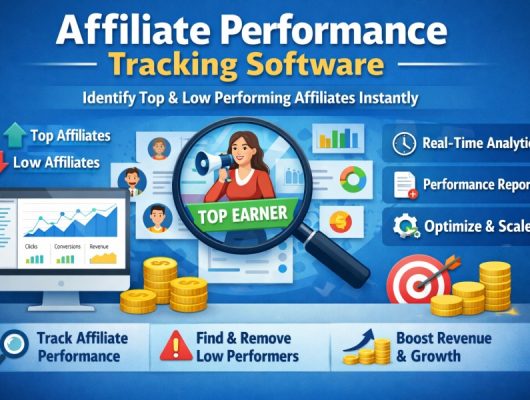
- Track partner performance in real time
As a result, businesses can build and maintain large partner networks with minimal effort.
Performance Tracking and Attribution
Another major advantage is performance tracking.
With partner marketing platforms, businesses can monitor:
- Referral traffic
- Partner-generated leads
- Campaign conversions
- Revenue contributions
Therefore, companies can optimize both direct marketing strategies and indirect marketing campaigns.
Scalable Marketing Growth
Finally, partner ecosystems allow businesses to scale marketing efforts efficiently.
As more affiliates and creators join the network, brand exposure grows rapidly. Consequently, companies can reach new audiences without significantly increasing advertising costs.
Best Direct Marketing Strategies for Businesses
To achieve quick results, businesses should focus on effective direct marketing strategies.
Email Marketing
First, email marketing remains one of the most effective direct marketing channels. It allows brands to communicate directly with their audience and promote targeted offers.
Paid Advertising
Similarly, paid ads help businesses reach potential customers quickly. For example, search ads and social media ads can drive targeted traffic to landing pages.
Referral Programs
In addition, referral programs encourage customers and partners to promote products in exchange for incentives. As a result, businesses gain new customers through trusted recommendations.
Best Indirect Marketing Techniques for Long-Term Growth
While direct marketing drives immediate results, indirect marketing techniques support sustainable brand growth.
Content Marketing
First, content marketing helps businesses attract audiences through valuable information such as blogs, guides, and case studies.
Influencer Partnerships
Next, influencer collaborations help brands connect with new audiences. Because influencers already have trusted communities, their recommendations carry significant credibility.
Search Engine Optimization
Finally, SEO helps businesses rank for keywords such as direct and indirect marketing, marketing strategy, and direct marketing strategies. Consequently, companies can attract consistent organic traffic.
Building an Effective Digital Marketing Strategy
Ultimately, a successful digital marketing strategy combines both direct and indirect marketing approaches.
For example, businesses often include:
- SEO-driven content marketing
- Affiliate and partner programs
- Paid advertising campaigns
- Influencer collaborations
- Email and referral marketing
When supported by partner marketing software, these strategies become easier to manage and scale.
Conclusion
In summary, both direct and indirect marketing play essential roles in modern business growth. Direct marketing generates quick conversions, while indirect marketing builds credibility and long-term relationships.
Therefore, businesses that combine these strategies can create a powerful digital marketing strategy that drives sustainable growth.Try Mindtech World to scale your campaigns
Furthermore, companies using partner marketing software gain an additional advantage. By enabling affiliates, influencers, and strategic partners to promote their brand, businesses can expand reach and create a scalable marketing ecosystem.