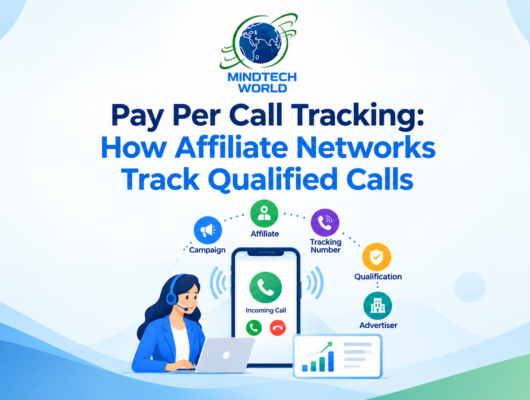
In performance marketing, understanding how customers interact with advertisements before making a purchase or inquiry is essential for improving campaign performance. While many digital campaigns focus on clicks, form submissions, and online conversions, some customers prefer speaking directly with a business. Click to call bridges this gap by allowing potential customers to connect with businesses instantly through phone calls, helping marketers track customer interactions, measure conversions, and optimize Pay Per Call campaigns.
The customer journey in Pay Per Call marketing begins when a user interacts with an advertisement, visits a website, or discovers a business and decides to make a phone call. Tracking this journey helps affiliate networks, advertisers, and performance marketers understand which campaigns generate calls, where callers originate, and how marketing activities contribute to conversions.
With a structured call tracking system, businesses can connect incoming calls to their original marketing sources, monitor campaign performance, identify qualified leads, and make data-driven optimization decisions. Understanding the journey from the initial click to the final phone call is therefore an important part of managing successful Pay Per Call campaigns.
What Is the Customer Journey in Pay Per Call Marketing?
The customer journey in Pay Per Call marketing refers to the series of interactions a potential customer makes before initiating a phone call to a business. It can include viewing an advertisement, clicking a tracking link, visiting a landing page, exploring an offer, and finally contacting an advertiser.
Unlike traditional online conversion tracking, where a conversion may be recorded through a form submission or purchase confirmation, Pay Per Call campaigns involve phone calls as a key conversion event. This makes accurate call attribution particularly important.
For example, a user may click an affiliate’s advertisement for an insurance offer, visit a landing page, review the available information, and click a call button to speak with an insurance provider. The call tracking system can capture the available marketing information associated with that interaction and help the affiliate network identify the source of the call.
By connecting these touchpoints, marketers can better understand customer behavior and evaluate the performance of their advertising channels, affiliates, and offers.
Step 1: The Customer Clicks an Advertisement
The customer journey often begins when a potential customer interacts with a digital advertisement. This could be a search advertisement, a social media campaign, a display banner, an affiliate promotion, or another online marketing channel.
When the user clicks an advertisement, they are redirected through a tracking link or to a landing page. In affiliate marketing, this initial interaction is important because it helps establish the source of the visitor and associate the interaction with a particular affiliate, campaign, or offer.
A tracking system can capture several parameters during this stage, depending on the tracking link and integration. These may include:
- Affiliate ID: Identifies the affiliate responsible for generating the traffic.
- Offer ID: Identifies the campaign or offer being promoted.
- Sub IDs: Provide additional information about traffic sources, placements, keywords, or other campaign attributes.
- Device information: Helps identify the device or platform used by the visitor.
- Campaign details: Help marketers analyze the performance of different advertising campaigns.
Capturing this information at the beginning of the customer journey creates a foundation for accurate attribution when the visitor eventually makes a phone call.
Step 2: The Visitor Reaches the Landing Page
After clicking an advertisement, the visitor usually arrives at a landing page that provides information about the advertised product or service. The landing page may explain the offer, highlight its benefits, answer common questions, or encourage visitors to contact the business.
At this stage, the visitor evaluates whether the offer meets their requirements. Some users may immediately decide to call, while others may spend time reviewing the content before taking action.
For affiliate networks and advertisers, understanding this interaction is important because landing page performance can influence the number of calls generated by a campaign.
Marketers can compare traffic sources, landing pages, and campaign parameters to identify which combinations generate phone calls. When call tracking is integrated with affiliate tracking, these insights can help businesses understand how visitors move from an initial click to a phone inquiry.
Step 3: Understanding the Two Call Initiation Methods
In Pay Per Call marketing, an inbound call can generally be initiated through two methods: direct call and click to call. Both methods generate incoming calls, but the information available for tracking and attribution can differ.

1. Direct Call
A direct call occurs when a user manually dials a business’s phone number using a mobile phone or another telephone device. The customer may have found the number through an advertisement, a website, a directory, or another source.
Since the customer directly dials the number, affiliate sub IDs and other click-specific tracking parameters generally cannot be passed through the call itself. Attribution may therefore depend on other available information, such as the phone number used, the call source, or a separate tracking integration.

2. Click to Call
Click to call occurs when a visitor clicks a phone number or call button on a website, landing page, or mobile application to initiate a call.
In this method, tracking parameters can be passed along with the click-to-call interaction. This allows the call tracking system to associate the incoming call with available affiliate, offer, campaign, and sub ID information, providing more detailed attribution.
The distinction between these two methods is important for affiliate networks. While direct calls can provide valuable call activity, click-to-call interactions can support more detailed tracking because campaign-specific parameters can be captured during the initial interaction.
Step 4: Tracking Sub IDs and Campaign Parameters
One of the key advantages of click-to-call tracking is the ability to pass additional tracking parameters from the initial click to the phone call. These parameters help affiliate networks understand exactly which traffic sources and campaign elements contribute to incoming calls.
In Mindtech World Call Tracking, click-to-call campaigns can use multiple sub IDs, including:
aff_subaff_sub2aff_sub3aff_sub4- Additional sub IDs up to
aff_sub12
These sub IDs can be used to store campaign-specific information, such as advertising placements, traffic sources, creative IDs, keywords, or other identifiers selected by the marketer.
Along with sub IDs, marketers can also track other parameters, including gaid, idfa, app_name, aff_id, and offer_id, as well as other supported tracking parameters.
For example, an affiliate network running multiple advertising campaigns for the same offer can use different sub IDs to identify the source of each click-to-call interaction. When a call is received, the available tracking information helps the network identify which affiliate, campaign, or placement generated the call.
This level of attribution makes it easier to compare campaigns, analyze traffic quality, and allocate marketing budgets based on recorded performance.
Step 5: Capturing User and Device Information
Understanding where a call originated is only one part of the customer journey. Affiliate networks also need to understand the technical information associated with the visitor and their interaction.
A call tracking system can capture available user and user-agent information from the referring website or the original tracking interaction. Depending on the integration and applicable permissions, this may include:
- IP address: Helps identify the network address associated with the interaction.
- Browser information: Identifies the browser used to access the website.
- Operating system: Provides information about the visitor’s operating environment.
- Device details: Helps distinguish between mobile, desktop, and other supported devices.
- Referring website: Indicates the website or page from which the visitor arrived.
- Tracking parameters: Connect the interaction with its affiliate, offer, and campaign identifiers.
This information can support campaign analysis and anti-fraud monitoring. For instance, networks can investigate unusual traffic patterns, repeated activity, inconsistent device information, or unexpected concentrations of calls from particular sources.
However, individual technical signals should not automatically be treated as proof of fraudulent activity. Marketers should evaluate multiple indicators together and follow applicable privacy, consent, and data protection requirements.
By combining call attribution with technical information, affiliate networks can gain a more detailed understanding of the traffic generating their calls and identify interactions that may require further investigation.
Step 6: The Inbound Call Reaches the Advertiser
Once the visitor initiates a call, the interaction becomes an opportunity for the advertiser to engage directly with a potential customer. Depending on the campaign setup, the call may be routed to an advertiser, call center, or designated sales team.
The advertiser can then communicate with the caller, understand their requirements, answer questions, and determine whether the inquiry meets the campaign’s qualification criteria.
For affiliate networks, tracking the incoming call is important for connecting the phone interaction with the original marketing activity. When the call is associated with available affiliate and offer information, networks can analyze which sources are contributing to call volume and which campaigns are generating meaningful business opportunities.
Call outcomes can also provide useful performance insights when supported by the advertiser’s integration or reporting process. For example, a network may distinguish between answered calls, missed calls, qualified calls, and calls that result in a sale, subject to the data available.
This helps marketers look beyond the number of calls generated and evaluate the quality and business value of their Pay Per Call campaigns.
Step 7: Analyzing Call Data and Optimizing Campaigns
The customer journey does not end when a phone call is initiated. Analyzing call data is essential for understanding campaign performance and identifying opportunities for improvement.
Affiliate networks can use call tracking reports to evaluate different aspects of their campaigns, including:
- Call volume: Understand how many inbound calls each affiliate, offer, or campaign generates.
- Affiliate performance: Compare the calls attributed to different affiliates and traffic sources.
- Sub ID performance: Identify which advertising placements, creatives, or campaign segments generate calls.
- Device and browser insights: Analyze the technical characteristics of traffic associated with calls.
- Call quality: Evaluate available call outcomes and qualification information.
- Fraud monitoring: Investigate unusual traffic patterns using available tracking and technical data.
For example, if one affiliate generates a high number of calls but a relatively low number of qualified inquiries, the network can investigate the traffic source, campaign targeting, landing page, and other available indicators.
Similarly, if a particular sub ID consistently generates qualified calls, marketers can use that information when planning future campaigns. These insights allow networks to make informed decisions about campaign adjustments, traffic allocation, and affiliate management.
Accurate attribution also helps advertisers understand the contribution of their marketing partners and evaluate the relationship between advertising expenditure, inbound calls, and revenue.
Why Call Tracking Is Important for the Entire Customer Journey
Without an integrated call tracking system, affiliate networks may find it difficult to connect incoming calls with the marketing activities that generated them. This can create gaps in campaign reporting and make it challenging to evaluate affiliate performance.
Call tracking helps bridge these gaps by connecting available information from the initial click to the resulting phone call. With click-to-call tracking, marketers can pass sub IDs and campaign parameters, while additional technical information can provide context for traffic analysis and fraud monitoring.
An effective tracking setup can help affiliate networks:
- Maintain better visibility into the customer journey.
- Attribute incoming calls to available affiliate and campaign information.
- Identify traffic sources that contribute to call conversions.
- Analyze call activity using sub IDs and other tracking parameters.
- Investigate potentially suspicious traffic patterns.
- Make data-driven decisions to optimize Pay Per Call campaigns.
The amount of information available depends on the call initiation method, tracking configuration, integration, and applicable privacy requirements. Understanding these limitations is just as important as collecting the data itself.
Track the Complete Journey with Mindtech World Call Tracking
From the first advertisement click to the final phone conversation, every interaction in a Pay Per Call campaign can provide valuable information about customer behavior and marketing performance. Connecting these interactions helps affiliate networks and advertisers understand how their campaigns generate calls, identify their contributing traffic sources, and improve their tracking processes.
Mindtech World Call Tracking Software on trusted hosting infrastructure helps affiliate networks, advertisers, and performance marketers manage and track inbound calls with support for both direct call and click-to-call initiation methods. Its tracking capabilities include sub IDs from aff_sub to aff_sub12, along with parameters such as gaid, idfa, app_name, aff_id, and offer_id. Available user-agent and technical information, including browser, operating system, and IP address, can also support campaign analysis and anti-fraud monitoring.
By bringing call attribution and campaign tracking together, Mindtech World enables marketers to gain greater visibility into their Pay Per Call activities and use available performance data to optimize their campaigns.
To learn more about the features and capabilities, visit the https://mindtechworld.com/call-tracking-software/